Open Today Sales: 10 AM-8 PMOpen Today Service: 7 AM-5 PM
If you’re on the hunt for a fresh set of wheels, you’ve likely noticed a growing buzz around hybrid and electric vehicles. Even though we’ve all seen hybrid cars darting around for years, it can be confusing to tell the difference between hybrid and plug-in hybrid models. While all new hybrid models, like the Corolla Cross Hybrid, are powered by a combination of gasoline engines and electric motors, hybrid and plug-in hybrid models have unique perks.
So, what’s the difference between a hybrid and a plug-in hybrid? Conventional hybrid vehicles use gas and electric power simultaneously and rely on their gas engines to keep their medium-sized batteries charged. A plug-in hybrid, as the name suggests, utilizes a larger battery that is charged through a 120-volt household outlet or a 240-volt charging unit. Plug-in hybrids start each drive with pure electric power and switch to gas when necessary. Learn more about the differences between hybrid and plug-in hybrid vehicles below!
The way a hybrid vehicle works feels familiar and is quite intuitive. As you travel through Flushing, your vehicle will be simultaneously powered by a gas engine and an electric motor. This drastically improves fuel economy and allows your gas engine to recharge your battery as you drive.
The way traditional hybrid vehicles like the Highlander Hybrid propel themselves offers the benefit of improved mpg, without the need to stop and recharge. This can be a significant advantage in the eyes of some drivers since this type of model allows you to drive more efficiently without any major disruption to your existing automotive habits.
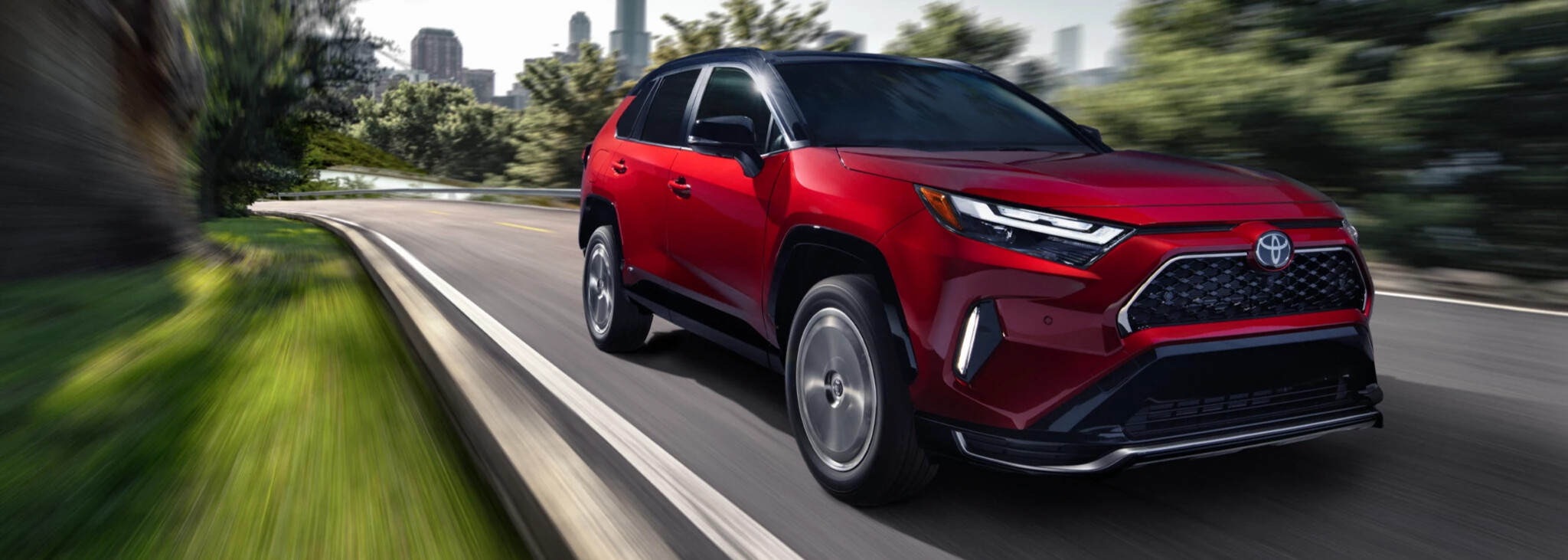
The RAV4 Plug-in Hybrid and other plug-in hybrid vehicles also work with a gasoline engine and an electric motor, but the way the energy is deployed differs from conventional hybrid models. A plug-in hybrid vehicle will primarily run on its battery-powered electric motor during your Woodside travels. Once the battery is drained, the gas engine will take over.
Rather than the two power sources working in conjunction, plug-in hybrid vehicles treat the gasoline engine as a backup plan. The distance traveled while operating solely on the battery is known as the vehicle’s electric range. However, once that limit is reached, you’ll need to plug your car in to regain battery power.
That said, you’ll find a wide range of advantages that come with opting for a plug-in hybrid vehicle. If you have a truly environmentally friendly aim, a plug-in hybrid vehicle may be your best bet. Since you can pre-charge your vehicle, many plug-in hybrid cars offer the range you need to run errands around town on pure battery power!
Now that you’re familiar with the difference between hybrid and plug-in hybrid models, the time is right to make your upgrade. When you shop with the expert team at Star Toyota of Bayside, you can browse new hybrid models from across the industry. Whether you prefer the benefits of a traditional hybrid or you want to secure a plug-in hybrid model for your Corona travels, we have the selection you need. To streamline your purchase process, apply for financing online be sure to check our current new vehicle specials!
